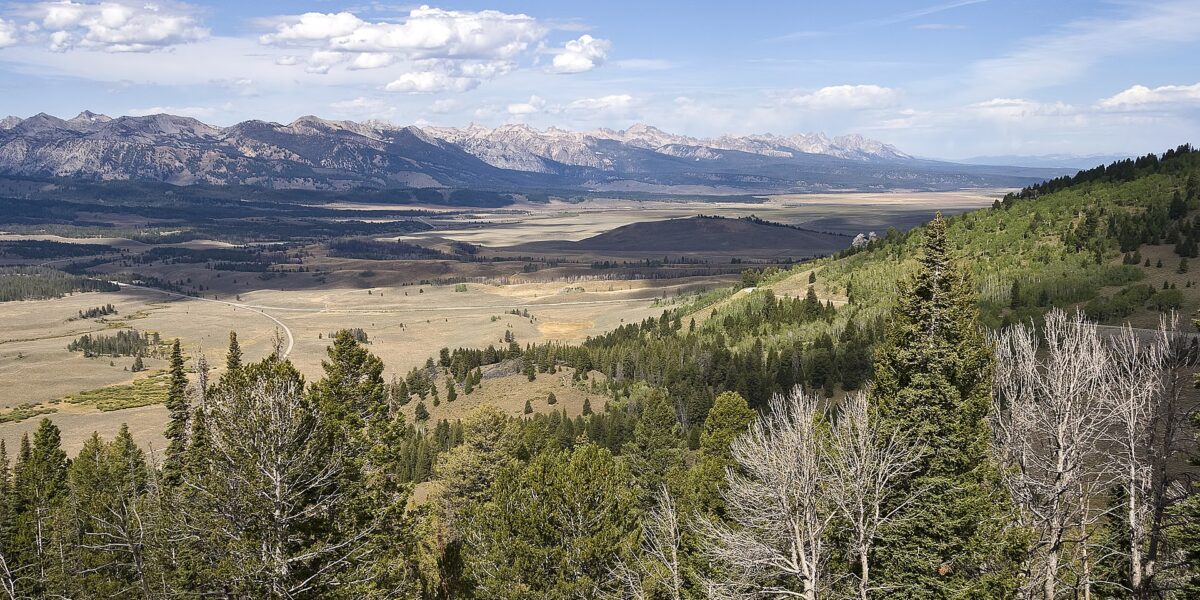
The U.S. Department of Agriculture is moving forward with a plan to rescind the 2001 Roadless Area Conservation Rule, a sweeping federal regulation that has governed how national forests in Montana can be developed for the past quarter-century. The proposal would open pathways for new road construction, expanded logging, and additional forest management activities across vast stretches of protected forestland in the state.
What the Roadless Rule Does
The Roadless Area Conservation Rule, adopted in 2001, restricts the construction of new roads into designated roadless areas within national forests and limits repairs to existing roads in those zones. The regulation also constrains the type and scope of logging operations permitted in these areas. The rule does not prohibit hunting, fishing, or backpacking in the protected zones, allowing recreational access to continue.
Nearly 59 percent of Montana’s Forest Service lands currently fall under the protection of the Roadless Rule, making the potential rescission a significant matter for the state’s forests and the communities that depend on them.
Wildfire and Forest Health Considerations
Proponents of rescinding the rule point to forest health and fire management as key justifications. According to the USDA’s analysis, approximately 41 percent of the inventoried roadless areas in Montana sit within zones classified as having high or very high wildfire hazard potential. The data shows that fewer than 5 percent of these areas have received hazardous fuels treatments since 2014, raising questions about whether the current restrictions adequately address fire risk in an era of increasingly severe forest conditions.
The USDA argues that eliminating the roadless constraints would enable more aggressive forest management, including mechanical treatments and logging operations designed to reduce fuel loads and improve forest resilience. Opponents of the change contend that rescinding the rule could open protected areas to commercial logging under the guise of forest health and that the ecological and recreational value of roadless areas outweighs the fire management benefits of road construction.
Public Comment Period and Next Steps
The USDA is accepting public comment on the proposed rescission through September 21st. The agency has not announced a timeline for a final decision, but the comment period represents a critical juncture for Montanans to weigh in on the proposal’s merits and drawbacks.
Should the USDA proceed with rescinding the rule, individual forest management projects would still require additional planning and environmental analysis prior to approval. The removal of the blanket restriction would not automatically authorize road construction or logging but would eliminate the categorical prohibition that currently applies across roadless areas.
Implications for Montana
The fate of the Roadless Rule carries implications for Montana’s timber industry, conservation advocates, hunters and anglers, and rural communities that depend on natural resource management for economic activity. Montana cattle leaders have weighed in on related Trump administration natural resource policies, reflecting the state’s deep ties to land use and resource extraction questions. Conservation figures in Montana, including those honored by the Rocky Mountain Elk Foundation, have long engaged in debates over forest management and public lands access.
The proposal also signals the Trump administration’s broader orientation toward relaxing environmental regulations that restrict development and resource extraction on federal lands. Rescinding the Roadless Rule would represent a reversal of Clinton-era conservation policy that has shaped forest management for more than two decades.
Montanans interested in the USDA’s proposal should submit comments before the September 21st deadline to ensure their views are part of the formal record as the agency moves toward a final determination.