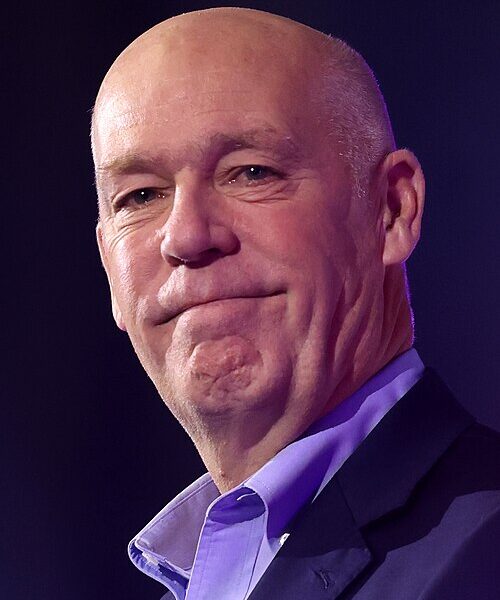
Governor Greg Gianforte announced Sunday that Montana has earned a top-five ranking among the nation’s fastest-growing state economies, citing a report that measured real GDP growth across all 50 states from 2021 to 2025.
Montana posted 16.1 percent real GDP growth over that four-year span, well above the national average of 10.8 percent. Only Texas, New Mexico, Florida, and South Carolina ranked higher in the Visual Capitalist analysis, which drew on federal GDP data to produce its state-by-state comparison.
What’s Driving the Growth
The report identified business investment, population expansion, and energy production as the primary engines behind Montana’s economic gains. The state had already established a growth trajectory well before the pandemic — Montana was the third-fastest-growing state for population between 2010 and 2020, with a 10 percent increase over that decade.
Wage growth has also accelerated. Montana now ranks third nationally for the fastest-growing wages, and the state is one of only two in the country where wage gains have outpaced inflation since 2020. The average annual wage for Montana workers reached $60,037 in 2024.
“In Montana, our economy is growing and stronger than ever as we continue to welcome new business investment, strengthen our workforce, and increase access to international markets,” Gianforte said.
Fiscal Policy Changes Under Gianforte
The governor pointed to a series of fiscal moves since taking office in 2021 as underpinning the state’s improved economic standing. Montana’s fiscal health ranking climbed from 22nd nationally in 2021 to 8th in 2025, according to figures cited by his office.
Among the most significant milestones was the payoff of the state’s entire general obligation debt in 2023, making Montana debt-free and saving taxpayers an estimated $40 million over two years. That same year, the governor signed what his office described as the largest tax cut in state history — delivering $500 million in permanent income tax relief, rebates of up to $1,250 per taxpayer, and $280 million in property tax relief.
The 2025 legislative session extended those cuts further. Lawmakers approved an additional $750 million in permanent income tax reductions, and the governor held overall state spending growth to less than 1 percent. Since Gianforte took office, the state’s top individual income tax rate has fallen by nearly 20 percent.
“By supporting business owners, we’re unleashing good-paying jobs for Montanans, so our kids and grandkids don’t have to leave the state in pursuit of a career,” the governor said.
Business Climate Recognition
The GDP ranking adds to a string of business-climate designations Montana has received in recent years. Entrepreneur Media ranked the state the best in the nation for business startups, and WalletHub named it a top state for launching a new business in a separate study. Gianforte’s office has highlighted these rankings as evidence that the state’s low-tax, limited-spending approach is drawing entrepreneurs and workers alike.
Montana’s gains come alongside continued debate over how to manage rapid growth — including housing affordability pressures in cities like Bozeman and Missoula, and ongoing discussions about energy infrastructure. Efforts by Missoula County and the City of Bozeman to pursue a green power partnership with NorthWestern Energy reflect how local governments are navigating the state’s expanding energy economy alongside residential and commercial growth.
What to Watch
With the 2026 primary set for June 2 and the general election on November 3, economic performance is expected to remain a central theme in statewide races. Republicans are likely to use the GDP and wage growth figures to defend the fiscal direction set during Gianforte’s first term and extended in the 2025 session. The governor’s office has made clear it intends to keep Montana’s tax and spending trajectory intact heading into the 2027 legislative session.