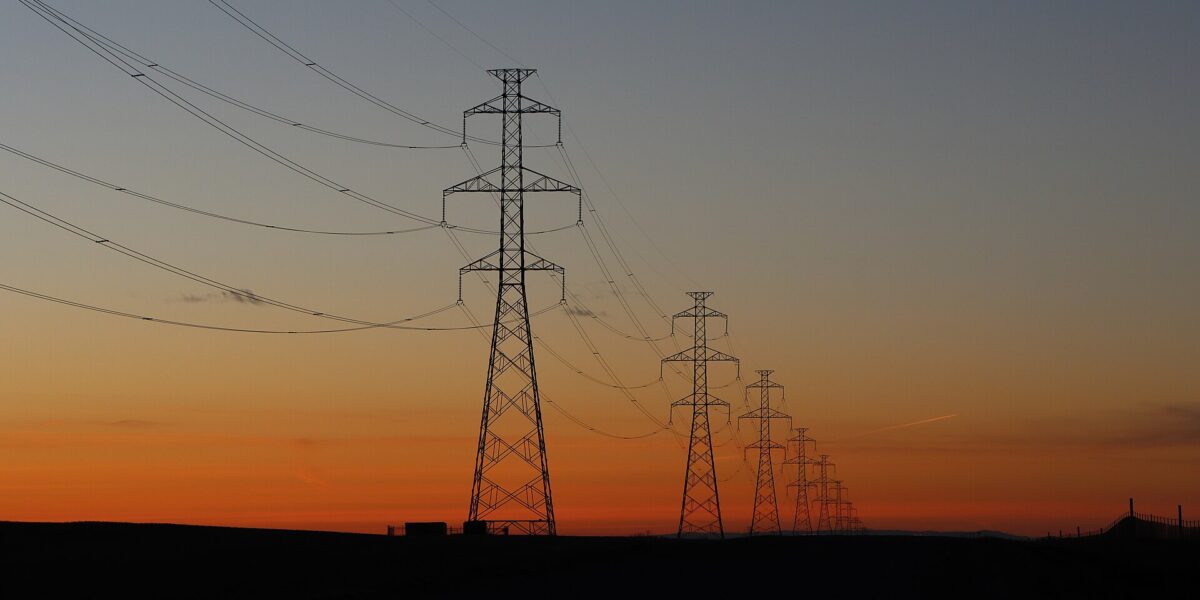
Flathead Electric Cooperative members in the Libby area of northwest Montana were expecting to lose power Thursday night after the Bonneville Power Administration moved to de-energize a transmission line it owns and operates in the region due to elevated wildfire risk.
Why the Power Is Going Off
The Bonneville Power Administration initiated a public safety power shutoff tied to active Red Flag Warning conditions in the Libby area. BPA made the call to take the transmission line offline as a precautionary measure to reduce the chance of the energized line igniting or contributing to a wildfire under dangerous weather conditions.
Because BPA owns and controls the affected transmission line, Flathead Electric Cooperative has no authority over either the timing of the shutoff or when power will be restored. The cooperative said it cannot bring the line back online — that decision rests entirely with BPA, which will restore power only after it determines conditions have improved enough to safely re-energize the line.
What Members Should Do
Flathead Electric is urging affected members to treat the outage as they would any unplanned power loss. The cooperative encouraged customers to charge phones, medical devices, and other essential electronics before the shutoff takes effect.
Customers with medical equipment that depends on electricity — or those with mobility or accessibility needs — were specifically advised to make advance arrangements. Members should also prepare for the outage to last an undetermined period, since power will remain off until BPA clears the line for re-energization based on wildfire conditions in the area.
BPA’s Role in Montana’s Grid
The Bonneville Power Administration is a federal agency under the U.S. Department of Energy that markets wholesale electricity generated primarily from hydroelectric dams across the Pacific Northwest and operates a large network of high-voltage transmission lines stretching into Montana and surrounding states. Flathead Electric Cooperative, which serves members across northwest Montana, depends on BPA’s transmission infrastructure to deliver power to customers in more remote parts of its service territory, including the Libby area along the Kootenai River corridor in Lincoln County.
Public safety power shutoffs have become a more common tool for utilities and transmission operators in recent years as wildfire seasons have grown longer and more severe across the western United States. The shutoffs are designed to eliminate the risk that energized lines could spark or contribute to wildfires under high-wind, low-humidity conditions — precisely the combination that Red Flag Warnings are meant to flag.
What Comes Next
There was no set timetable announced for restoration. BPA’s decision to bring the line back online will depend on whether Red Flag Warning conditions lift and the agency determines the risk has dropped to an acceptable level. Flathead Electric members in the affected area should monitor updates from the cooperative for the latest information on restoration timing.
The shutoff is a reminder of how federally operated transmission infrastructure can directly shape service reliability for rural Montana cooperatives, which often have limited alternative supply routes when a key line goes down. Lincoln County’s rugged terrain and limited grid redundancy make the Libby area particularly vulnerable when BPA makes a de-energization call.
Wildfire-related energy disruptions have drawn increased attention to the reliability of Montana’s power infrastructure more broadly. A gas leak recently prompted federal officials to move forward with closing Montana’s oldest oil well inside Glacier National Park, illustrating the range of energy and safety challenges the state faces on federal lands and infrastructure this summer.