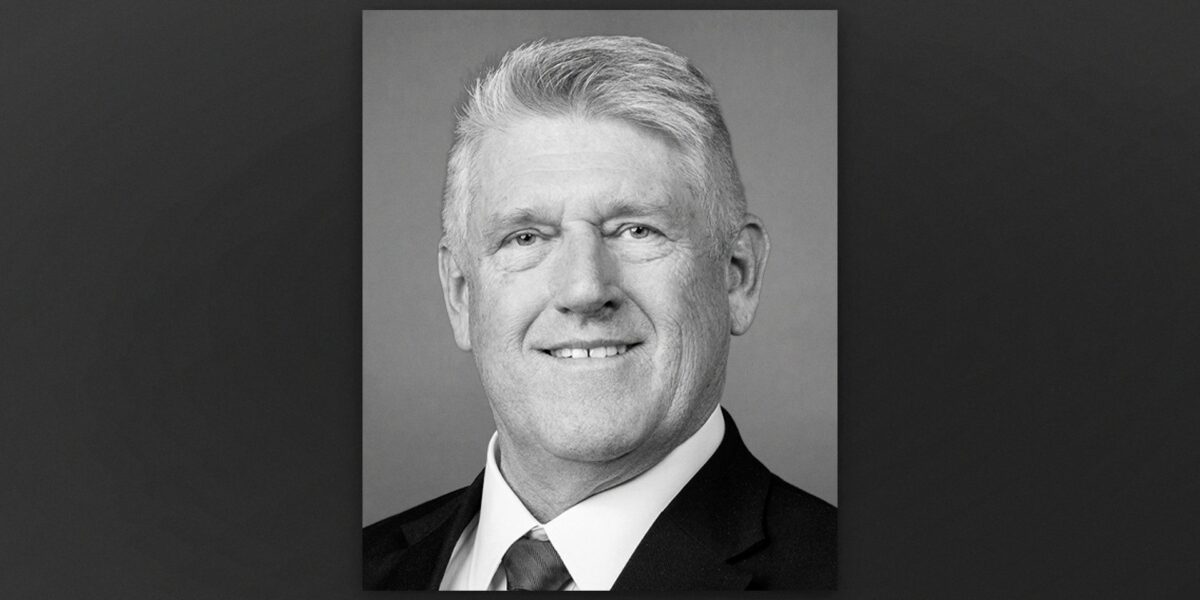
U.S. Representative Troy Downing visited the Dry-Redwater Regional Water Authority Board in Sidney, Montana on Thursday to discuss the status of H.R. 8745, a bill he introduced in May 2026 that would authorize construction of a major rural water system across a wide swath of eastern Montana.
What the Bill Would Build
The Dry-Redwater Rural Water System, if authorized and funded, would serve residents across Dawson, Garfield, McCone, Prairie, and Richland counties — a region that has historically struggled with poor water quality. The proposed infrastructure is substantial in scope: roughly 1,300 miles of pipeline, 116 miles of electrical lines, 12 pump stations, six storage tanks, and a water treatment plant.
The project is designed to deliver clean, reliable water to rural communities in Montana’s 2nd Congressional District that have lacked consistent access to quality water supply for decades.
Legislative Status
Downing introduced H.R. 8745 in the U.S. House in May 2026. Companion legislation has been introduced in the Senate by Montana Senators Steve Daines and Tim Sheehy, giving the effort bipartisan support within the state’s all-Republican congressional delegation.
“Eastern Montana has waited far too long for clean and reliable water,” Downing told the Dry-Redwater board, as reported by his office. “The Dry-Redwater Regional Water Authorization Act will help move this critical project forward and deliver the infrastructure these communities need.”
Authorization legislation of this kind typically precedes federal appropriations — clearing the legal pathway for the Bureau of Reclamation or a similar agency to fund and oversee construction. Passage of both authorization and eventual funding measures would be required before any construction could begin.
Regional Context
The five-county service area covers a large stretch of the northeastern Montana plains, a predominantly agricultural region where water infrastructure has long lagged behind more densely populated parts of the state. The Dry-Redwater Water Authority has been working toward a permanent solution to the area’s water quality problems for years.
Downing’s visit to Sidney comes during the congressional August recess, a period when members typically hold constituent meetings and tour projects in their districts. The congressman has identified rural infrastructure — including water systems and broadband — as a priority for Montana’s sprawling 2nd District, which covers the eastern two-thirds of the state.
Similar federal water authorization bills for rural western communities have faced lengthy timelines moving through Congress, often requiring sustained lobbying efforts from both the House and Senate sides before advancing. The presence of companion Senate legislation from Daines and Sheehy strengthens the bill’s prospects for committee consideration.
The status of H.R. 8745 in committee and any scheduled hearings had not been publicly announced as of the congressman’s Sidney visit. The bill would need to clear relevant House and Senate committees before reaching a floor vote in either chamber.
For other infrastructure and land-use issues affecting northeastern Montana, see coverage of Fort Peck Tribes moving to block data center developer talks on the reservation.