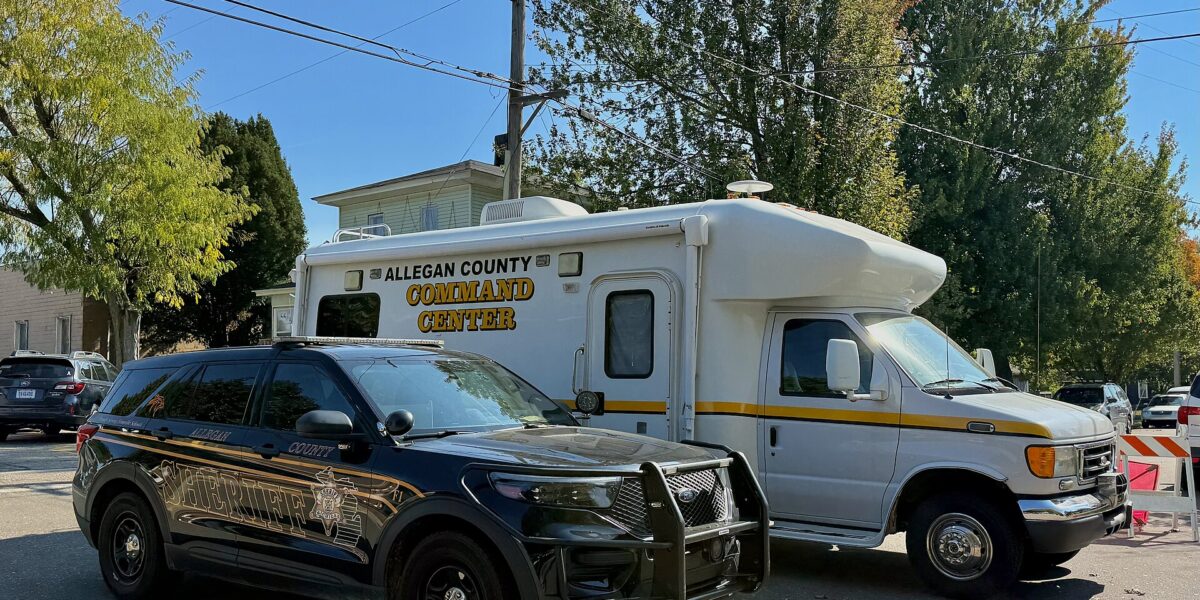
Gallatin County Sheriff Dan Springer issued a statement Friday addressing federal immigration enforcement activity in the county and warning that individuals who attempted to interfere with those operations would face criminal charges.
What Happened
ICE conducted operations within Gallatin County during the week leading up to the statement. Local law enforcement was informed of the pending federal activity in advance and played an indirect supporting role. The Department of Homeland Security did not release a public accounting of the operation’s outcomes, though officials confirmed it concluded without injury.
While the federal enforcement work itself proceeded, Springer’s statement focused heavily on what he described as deliberate efforts by outside agitators to disrupt the operation and harass community members connected to local law enforcement.
Harassment and Interference Documented
According to the sheriff, organized groups attempted to harass, interfere with, or obstruct ICE personnel during the operations. Springer said documented incidents included harassment on private property and the public release of personal information belonging to uninvolved community members — a tactic commonly referred to as “doxing.”
In at least some cases, members of the public tailed detective and command staff vehicles to their private residences, then confronted them there. Springer made clear those actions cross a legal line.
“ICE is carrying out its mission,” Springer said in the statement, adding that individuals who engaged in harassment would be charged and held accountable.
The Sheriff’s Position
Springer’s statement reflects a posture that has become increasingly common among Montana county sheriffs: cooperating with federal immigration enforcement without embedding local deputies directly into ICE operations. Gallatin County’s indirect involvement — being notified of pending federal activity rather than conducting it — is consistent with how many Montana jurisdictions have navigated the legal and political questions around local participation in federal immigration enforcement.
At the same time, Springer drew a firm line at interference with law enforcement personnel. Following officers to their homes and confronting them off-duty is a tactic that has appeared in other jurisdictions nationally as immigration enforcement activity has increased under the Trump administration, and Montana sheriffs have generally been clear they will treat such conduct as a criminal matter rather than a form of protected protest.
Broader Context
The Gallatin County incident comes as the Trump administration has significantly expanded ICE enforcement operations across the country since January 2025. Montana, with a smaller undocumented population than border or coastal states, has nonetheless seen federal immigration enforcement activity, and local officials across the state have fielded questions about how closely county and municipal law enforcement will coordinate with federal agents.
The question of cooperation — or the degree of it — carries political weight in a state where Republican officials dominate most elected offices at the county and state levels. Most Montana sheriffs have indicated general willingness to work alongside federal agencies while stopping short of committing local resources to ICE enforcement as a primary function.
Springer’s statement does not detail what specific charges could be filed against those who followed officers home or released personal information about community members. Montana law provides several potential avenues, including criminal harassment and stalking statutes, depending on the facts of each documented incident.
What’s Next
The sheriff indicated his department is reviewing the documented incidents of harassment with an eye toward prosecution. No arrest announcements had been made as of the Friday statement. DHS has not indicated whether additional federal operations in Gallatin County are planned, and the scope of the concluded operation — including how many individuals were detained — was not made public.
With the November general election approaching, immigration enforcement and local law enforcement cooperation are likely to remain active political issues in Gallatin County and statewide. Bozeman, the county seat, has grown rapidly in recent years and carries a more politically mixed electorate than many rural Montana counties, making Springer’s handling of the issue one that will draw continued scrutiny from both sides of the debate.