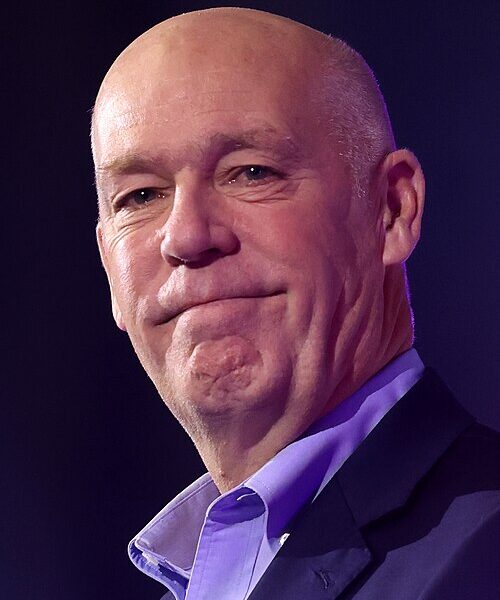
Montana Gov. Greg Gianforte on Thursday suspended Public Service Commissioner Brad Molnar for one year, citing independent investigations that found Molnar engaged in sex discrimination and retaliation against employees who filed complaints. Gianforte described the action as “unprecedented in state history,” while Molnar’s legal team immediately vowed to challenge the suspension in court.
What Led to the Suspension
The disciplinary proceedings against Molnar stretch back more than a year. In July 2025, Molnar publicly acknowledged he was under investigation for professional misconduct. By May of this year, the Public Service Commission had already barred him from in-person work at the agency’s offices.
In August 2025, an internal PSC team formally asked Gianforte to suspend Molnar while the investigation was ongoing. The governor declined at that point. After independent investigators completed their work and identified unlawful conduct — including what Gianforte characterized as references to “topless Tuesdays” and retaliation against individuals who brought complaints — the governor concluded that a one-year suspension was warranted.
The Governor’s Office indicated Gianforte is now evaluating his options for filling the seat during the suspension period, though no timeline was immediately provided for any appointment.
Molnar Pushes Back
Molnar’s attorney, Matthew Monforton, was sharply critical of the process that led to the suspension. He called it a “kangaroo process” and suggested the action was politically motivated rather than a genuine accountability measure.
“The governor used an HR complaint to overturn an election, and Montana ratepayers will get stuck with paying higher energy bills as a result,” Monforton said.
Monforton’s reference to ratepayers points to a major proceeding currently before the five-member commission: a proposed merger between NorthWestern Energy and Black Hills Corp valued at approximately $15.4 billion. Molnar had been vocal in questioning whether the merger would benefit Montana ratepayers. Supporters of the commissioner argue his removal from the commission, even temporarily, could shift the balance of the deliberations on that deal.
Molnar’s legal team has signaled the fight will move to the courts, though no specific legal filings had been announced as of Thursday.
Structure of the Commission
The PSC is a five-seat body whose members are elected by district, not appointed by the governor. That structure is central to Monforton’s argument — that removing an elected official through an administrative process effectively nullifies the votes of Molnar’s constituents. Gianforte’s office has not publicly addressed that argument directly, but the governor framed the suspension as a necessary response to findings of unlawful workplace conduct.
Whether the governor holds authority to suspend an elected commissioner for a year — and under what conditions — is likely to be at the core of any legal challenge Molnar pursues.
What Comes Next
The Governor’s Office said Gianforte is weighing next steps regarding a potential appointment to fill Molnar’s seat during the suspension, but offered no specifics on timing. Any appointment could carry significant consequences given the pending NorthWestern-Black Hills merger review, which at $15.4 billion represents one of the largest utility consolidation proposals the commission has ever considered.
Montana courts will likely be asked to weigh in quickly. Monforton’s comments suggest Molnar’s team views expedited legal action as essential, particularly given the merger timeline and Molnar’s stated position as a skeptic of the deal.
The episode adds to an already turbulent stretch for Montana’s political institutions. State Republicans have faced internal legal disputes over party governance, as seen in a recent court order halting new loyalty-oath bylaws adopted by the Montana GOP. The Molnar suspension, pitting a Republican governor against an elected Republican commissioner, underscores how intra-party tensions in Montana can surface in unexpected institutional settings.
For ratepayers and utility regulators, the outcome of any court challenge — and the composition of the PSC during the suspension — could have practical consequences well beyond the political dispute at its center.