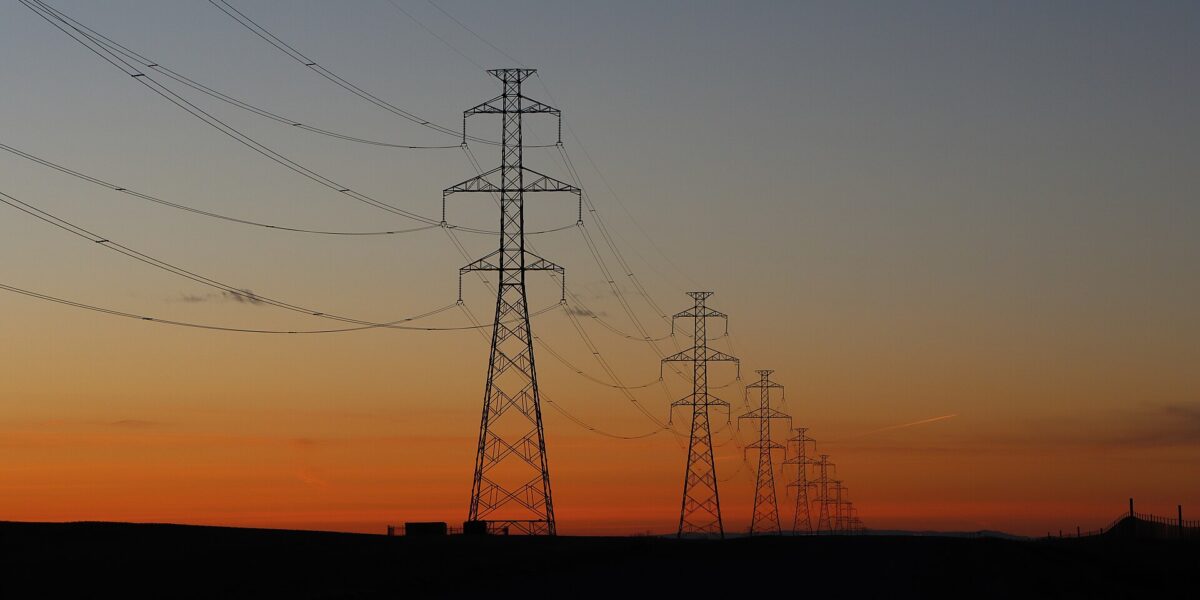
Governor Greg Gianforte announced Montana’s entry into the Western Transmission Expansion Coalition, a multi-state initiative designed to streamline the approval process for large electric transmission infrastructure across the region. The coalition brings together Montana, Arizona, Colorado, Idaho, Nevada, North Dakota, Utah, Oregon, Washington, New Mexico, and Wyoming to address grid capacity constraints.
The effort centers on a newly established Permitting Alignment and Coordination Task Force, known as PACT, which will work to simplify the review and permitting of major transmission projects. The coalition encompasses more than 70 participants, including utility companies, state agencies, and Tribal governments, reflecting the complexity of coordinating infrastructure development across multiple jurisdictions.
Addressing Regional Demand Growth
The Western Electricity Coordinating Council projects roughly a 20 percent increase in electricity demand across the region over the next decade, creating urgency for grid expansion. Gianforte framed Montana’s participation as essential to meeting future power needs. “With increasing demand on our energy grid, we must meet the challenge head-on to ensure affordable, reliable power for Montanans now and into the future,” he said.
WestTEC will examine existing gaps in transmission capacity and identify pathways to advance projects more efficiently without compromising environmental or safety review. The focus on alignment reflects a recognition that transmission projects often face duplicative permitting requirements across state lines, slowing development timelines.
Montana’s Role Moving Forward
The Gianforte administration has prioritized energy policy coordination through its own Governor’s Energy Task Force, which is reviewing strategies to expand energy supply while maintaining reliability and regulatory certainty. Sonja Nowakowski, director of the Department of Environmental Quality, co-chairs that task force and highlighted the significance of the WestTEC commitment. “Governor Gianforte’s commitment to the WestTEC effort is an important step forward for Montana,” Nowakowski said.
The coalition’s work reflects a broader shift among western governors toward collaborative regional energy planning. As renewable energy sources and distributed generation reshape the grid, transmission infrastructure has emerged as a critical constraint on development. Faster permitting could accelerate both traditional and renewable generation projects, though participants will need to balance speed with the environmental and land-use reviews that communities expect.
Montana’s membership signals the state’s openness to regional coordination on energy infrastructure, an area where local control and interstate coordination often create competing pressures. The coalition’s success will depend partly on whether states can align their permitting standards without imposing uniform requirements that override local priorities.