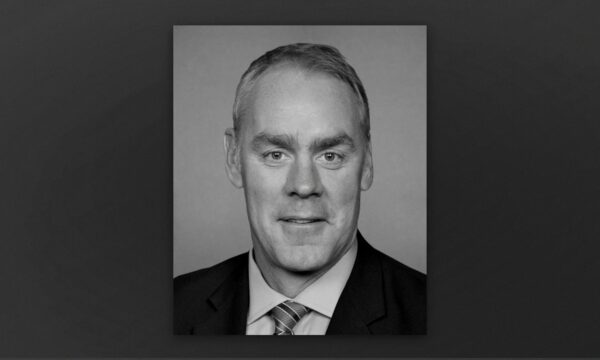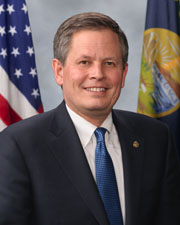
Montana’s two U.S. senators, Tim Sheehy and Steve Daines, have publicly defended President Trump’s military campaign against Iran, taking to the Senate floor and national television this week as Congress wrestled with competing war powers resolutions.
A Divided Congress on War Authority
The House passed a war powers resolution directing Trump to end the Iran conflict on a narrow 214-208 vote. The Senate then took up a matching measure, rejecting it 47-49, effectively stripping the resolution of any force of law. Both Montana senators voted against the resolution.
Sheehy used his Senate floor time to argue the conflict is a war of choice made by the Iranian regime, not by the United States. He drew a direct line from the October 7, 2023 Hamas attack on Israel — which killed approximately 1,200 people — to the current hostilities, and invoked the 1984 Hezbollah kidnapping of CIA station chief William Francis Buckley, who died in captivity in June 1985, as evidence of Iran’s long record of aggression against Americans.
“This regime that we are fighting does not care about our partisan politics,” Sheehy said from the Senate floor. “They want to kill all of us.”
Daines: Congress Should Not Command a War
Daines made his case on Fox Business, telling host Stuart Varney that the war powers resolution was unconstitutional. He argued that directing military operations is an executive function, not a legislative one, and that Congress overstepped by attempting to order a halt to ongoing combat operations.
“You’ve got to have the commander in chief who is executing a war, not having Congress doing that,” Daines said.
His position reflects a longstanding debate over the 1973 War Powers Resolution, which requires congressional authorization for extended military engagements, and whether that statute can constitutionally constrain a sitting president acting as commander in chief.
Public Opinion Runs Against the War
Despite the senators’ support for the campaign, polling shows significant public skepticism. A Fox News survey found 56 percent of U.S. voters oppose the military action against Iran. A Washington Post/Ipsos poll found only 28 percent of respondents believed the conflict was worth fighting.
The human cost of the campaign has also drawn attention. Eighteen U.S. service members have been killed since the conflict began, with roughly 500 troops wounded in action — numbers that war critics in Congress cited when pushing for the now-failed war powers resolution.
Montana Stakes in a National Debate
Both senators face different political contexts as the Iran debate unfolds. Daines, a senior member of the chamber, has been a consistent Trump ally and a reliable vote for executive authority on national security matters. Sheehy, elected in 2024 after defeating Democratic incumbent Jon Tester, is a combat veteran and former Army Ranger whose military background has shaped his public positioning on the conflict.
The Senate’s rejection of the war powers resolution hands Trump a clear path to continue operations without a statutory deadline, though Congress retains authority over appropriations and could theoretically use spending levers as a pressure point.
For Montana voters, the debate intersects with broader concerns about federal priorities and the cost of extended military engagements. The state has seen recent federal attention on other fronts — including a $4 million federal grant release supporting rural ambulance upgrades — but the war’s rising casualty count is likely to feature prominently in fall campaign messaging.
With the November 3 general election approaching and Montana’s congressional delegation now clearly aligned with the Trump administration’s Iran policy, the war powers vote is likely to become a defining issue for candidates and voters alike as the campaign season intensifies.