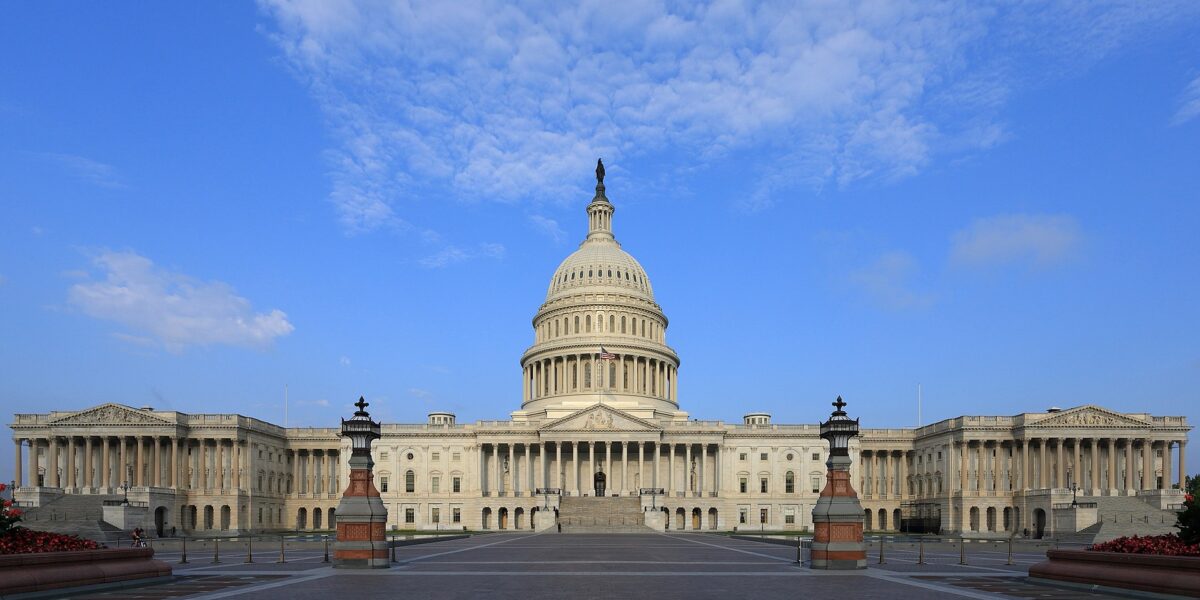
Montana Technological University joined a historic White House event Friday as the U.S. Department of Energy unveiled a $100 million initiative aimed at dramatically expanding the country’s critical minerals workforce — the first time the mining industry has received such an invitation since 1910.
The Initiative
The Department of Energy’s new program, called PROSPECT — Providing Opportunities for Specialized Education in Critical Technologies — is designed to build out the pipeline of trained mining engineers and critical mineral specialists the nation will need in coming decades. Federal officials estimate the country will require roughly 6,000 new mining engineers over the next ten years to meet demand.
The $100 million program also marked the first occasion that schools of mines had been included in a White House event of this kind, underscoring the growing federal priority placed on domestic critical minerals production and supply chain security.
Montana Tech’s Role
Chancellor Johnny MacLean led the Montana Tech delegation to Washington, joined by Associate Professor Chris Roos and students Jordan Niggemyer and Michael Shaw. The university’s inclusion reflects its standing as home to one of only 14 accredited mining engineering programs in the entire country.
Montana Tech also operates what federal officials and university leadership describe as the nation’s only campus-based underground mine training facility — the Underground Mine Education Center. The university awards degrees at three levels in the field: an associate degree in mining technology and both bachelor’s and master’s degrees in mining engineering.
MacLean said the university is proud to be at the forefront of training the next generation of mining engineers and critical mineral specialists, as first reported by NBC Montana. He added that the DOE initiative “directly aligns with our purpose to meet America’s emerging needs by preparing the next generation of STEM leaders to secure our nation’s most vital supply chain and energy security needs.”
Broader Context
The PROSPECT announcement comes as the Trump administration has made domestic critical minerals development a central pillar of its energy and national security agenda. Mining of materials such as copper, lithium, and rare earth elements — many of which are currently imported from China and other foreign competitors — has become a flashpoint in congressional and executive policy debates.
Montana sits atop significant deposits of several critical minerals, and the state’s political leadership has pushed for expanded permitting and investment to accelerate domestic production. Montana ranked second in the nation for hourly wage growth, a metric Governor Greg Gianforte highlighted earlier this year as evidence of the state’s strengthening economy — a trend workforce development in mining and energy could help sustain.
The rarity of the White House event was not lost on university officials. The mining industry had not received a comparable invitation from an administration since 1910, making Friday’s gathering notable both symbolically and substantively for the sector.
What’s Next
Details on how the $100 million in PROSPECT funding will be distributed among eligible institutions have not yet been fully announced. With 14 accredited mining engineering programs across the country, Montana Tech will be among those positioned to compete for resources tied to the initiative.
The program also arrives as Montana’s federal races heat up ahead of the November 3 general election. All four U.S. Senate candidates remain on the ballot following the withdrawal deadline, meaning the question of who will represent Montana in Washington — and how aggressively they pursue federal investment in the state’s energy and mining sectors — will be on voters’ minds this fall.
For Montana Tech, the White House appearance signals a moment of national recognition for a specialized institution that has long trained workers for an industry the federal government is now treating as a strategic priority. University officials are expected to provide additional details on how the school plans to engage with the PROSPECT program as implementation guidance becomes available from the Department of Energy.