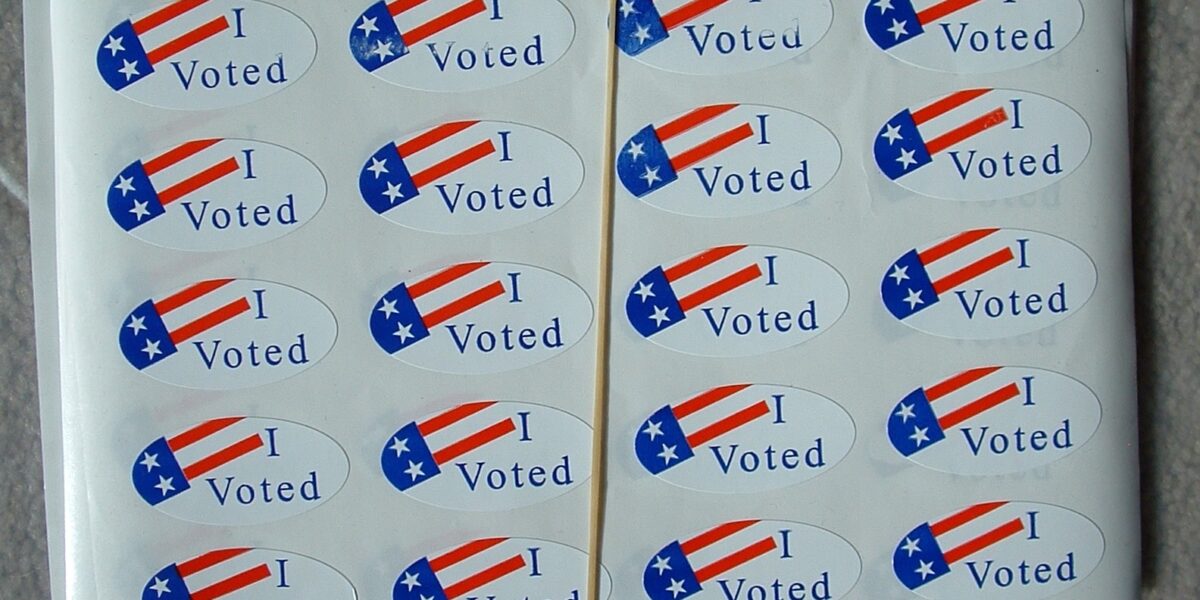
Montana’s June 2 primary election produced the highest raw vote total ever recorded in a midterm primary, with more than 300,000 ballots cast statewide — edging past the previous record set just four years ago and reflecting a state whose electorate has grown substantially over the past three decades.
A New Benchmark
The final tally of 300,022 ballots surpassed the 293,049 cast during the 2022 midterm primary, setting a new high-water mark for participation in non-presidential election years. The milestone comes as Montana’s registered voter population has climbed to 791,207 — up from 602,716 in 1998, a gain of roughly 31 percent over that span.
Raw participation has risen even faster. Voters cast fewer than 162,000 ballots in the 1998 midterm primary; the 2026 figure is nearly double that total, reflecting both population growth and shifting engagement with down-ballot contests.
Turnout Rate Tells a Different Story
Despite the record headcount, the share of registered voters who actually participated fell short of recent peaks. Turnout as a percentage of registered voters came in at 37.9 percent this cycle — below the 39.4 percent recorded in 2022 and well under the 41.6 percent mark set during the 2018 primary, which remains the high point for participation rate in the modern era.
The pattern underscores a distinction that often gets lost in record-breaking headlines: a growing voter file means raw totals can climb even as the proportion of engaged voters slips. Montana saw its sharpest surges in proportional turnout during the 2006 and 2018 cycles, both periods of heightened national political energy. The low point in the current data set was 2002, when just 28.8 percent of registered voters cast a primary ballot.
What’s Driving Participation
Several competitive races — including contests for local party positions such as GOP precinct committeemen — drew unusually engaged Republican primary voters in parts of the state. A number of high-profile statewide and federal offices on the June 2 ballot also contributed to elevated interest, as Montana heads toward a consequential November 3 general election.
Mail ballot participation continues to shape the composition of the electorate. Ongoing federal and state attention to mail voter data and registration rolls has kept election administration questions in the foreground heading into the fall campaign season.
Looking Ahead to November
The June primary sets the stage for what is shaping up as one of the more competitive general election cycles Montana has seen in recent years. With nominees now in place across statewide offices and the congressional delegation, campaigns will shift to mobilizing voters for the November 3 general election.
Whether the record primary turnout signals broader engagement ahead of the fall or simply reflects a one-time bump driven by specific contested races remains an open question. History suggests that general election participation in Montana substantially outpaces primary figures, meaning both parties will be working to convert primary enthusiasm into November votes in a state that has trended reliably Republican in federal contests but has shown more volatility in statewide races.