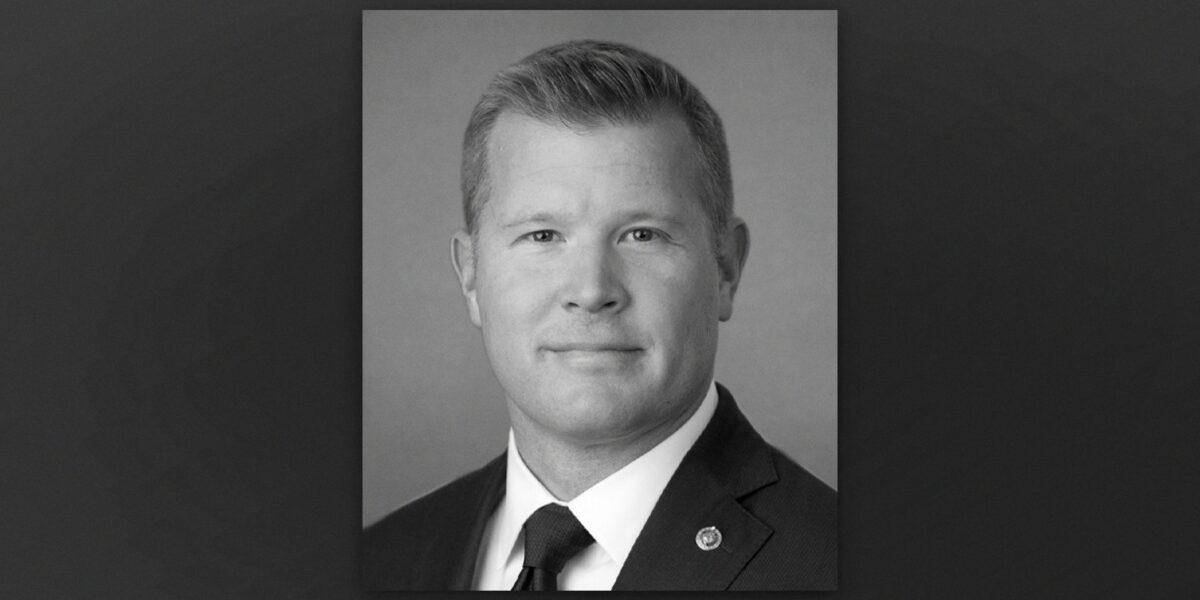
U.S. Sen. Tim Sheehy (R-Montana) called for renewed investment in passenger rail on Wednesday, including the restoration of the long-dormant North Coast Hiawatha line, during remarks at the Greater Northwest Rail Summit on August 26.
A Route Dormant Since the 1970s
The North Coast Hiawatha, which ceased operations in the 1970s, once connected the upper Midwest and Pacific Northwest. The proposed restoration would link rural communities to major city hubs along a corridor stretching from Chicago to Seattle, with Montana stops including Miles City, Glendive, Billings, Bozeman, Livingston, Helena, and Missoula.
Sheehy pointed to international rail systems in Japan, China, and Europe as evidence that robust passenger networks can work and suggested the United States should build toward a similar standard. He framed the effort as a generational investment, telling attendees that the real measure of success would come in the long view.
Legislative Momentum and Federal Interest
Support for restoring the Hiawatha corridor has been building for several years. The Big Sky Passenger Rail Authority, formed in 2019, has grown to include more than a dozen member counties and has kept the push for rail restoration active at both the state and federal level.
Former Sen. Jon Tester played a role in the process by securing the line’s inclusion in a federal study examining options for restoring long-distance routes. The Federal Rail Authority subsequently identified the North Coast Hiawatha as one of its preferred candidates for restoration.
Sheehy has co-sponsored legislation that would remove the non-federal match requirement for long-distance routes in the corridor identification program — a change intended to lower the financial barrier for states and regional authorities pursuing rail development. He said the measure is likely to advance as an attachment to a larger transportation or national defense bill.
Depots as Economic Anchors
Beyond the rail line itself, Sheehy outlined a vision for revitalizing the historic railroad depots that once anchored communities along the route. He argued that restoring those structures and opening them to private operators for food, beverage, and retail would create local economic activity alongside the transportation infrastructure.
“I don’t see a way where we can do this right without leveraging the historical rail depots,” Sheehy told the Missoula Current. Taken together, the combination of restored stations and renewed service along Montana’s scenic landscapes could become a significant draw. “When you string those pearls together, it makes it a pretty special experience,” he added.
What Comes Next
The path to restoring the North Coast Hiawatha remains long. Federal authorization, funding, and coordination with freight rail operators would all be required before service could resume. Sheehy’s legislative push on the non-federal match requirement represents one near-term step that could ease the process, but no timeline for full restoration has been established.
The Big Sky Passenger Rail Authority continues to serve as the regional organizing body, and its expanding membership suggests growing local appetite for the project. Whether Congress moves on broader rail infrastructure legislation — and whether the Hiawatha corridor earns a dedicated funding commitment within such a package — will likely determine how quickly the proposal advances.
Broader Political Context
Sheehy, a Republican elected in 2024, has worked to establish a profile on infrastructure and economic development issues relevant to rural Montana. Rail access has long been a priority for agricultural and energy communities that depend on freight networks, and passenger rail advocates argue that restored service would benefit those same regions. The effort also fits into a broader Republican-led push in Washington to reframe infrastructure investment around national competitiveness — an argument Sheehy echoed by pointing to rail systems in Asia and Europe.
Montana’s congressional delegation has historically found bipartisan common ground on transportation and public lands issues. Sen. Steve Daines recently led a 64-senator resolution marking the 110th anniversary of the National Park Service, another example of infrastructure-adjacent federal coordination with broad Montana support.