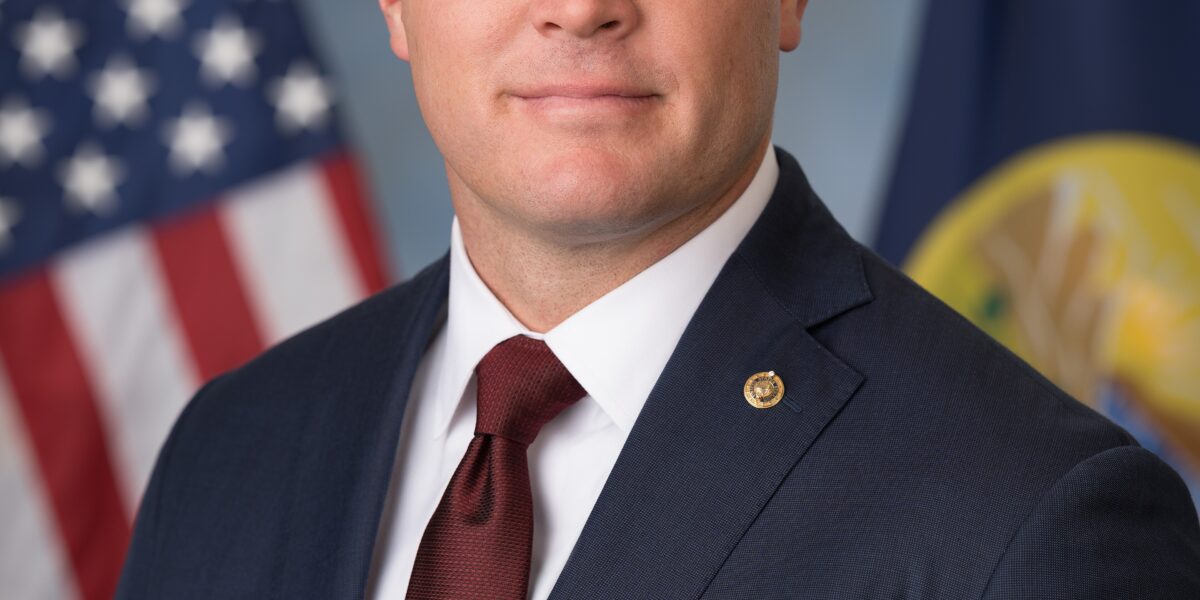
U.S. Senator Tim Sheehy is championing a restructuring of how the federal government manages wildfires on public lands, a proposal that has drawn both support and concern from stakeholders across Montana and beyond.
Backers of Sheehy’s approach argue that streamlining the current framework would make firefighting operations more efficient and enhance protection for communities and natural resources. Opponents, however, have raised questions about the timing and implementation, cautioning that significant changes to fire management protocols during the active wildfire season could introduce operational complications and potentially put lives at risk.
Wildfire management on federal property has long been a focal point in Montana politics, touching on questions of land use, environmental stewardship, and emergency response. The scale of fire activity in recent years—particularly on Bureau of Land Management and U.S. Forest Service holdings across the West—has kept the issue at the forefront of congressional discussions and state-level policy debates.
The specifics of Sheehy’s proposal reflect ongoing tensions between those who favor a more centralized, rapid-response approach to federal fire management and those who prefer incremental reforms or worry that wholesale restructuring could disrupt established protocols during peak fire months. Montana’s congressional delegation has historically pressed for greater state and local input in how federal agencies handle wildfire preparedness and response, particularly given the state’s exposure to large-scale burns.
Sheehy, a Republican first elected to the Senate in 2024, has made public lands and natural resource policy central to his legislative agenda. His push on wildfire management aligns with broader Republican interest in reducing what some view as bureaucratic obstacles to effective land stewardship and emergency management.
The proposal comes as federal agencies continue to grapple with record fire seasons, budget constraints, and competing demands for resources across the region. How Congress responds to Sheehy’s initiative could shape federal wildfire strategy for years to come and may influence the direction of similar efforts by other Western lawmakers.
No timeline for a vote or committee action has been announced, though the proposal is expected to be part of broader discussions on public lands and natural resource policy as Congress moves toward its autumn calendar.
CATEGORY: Energy & Land
TAGS: federal lands, wildfire management, public safety, natural resources