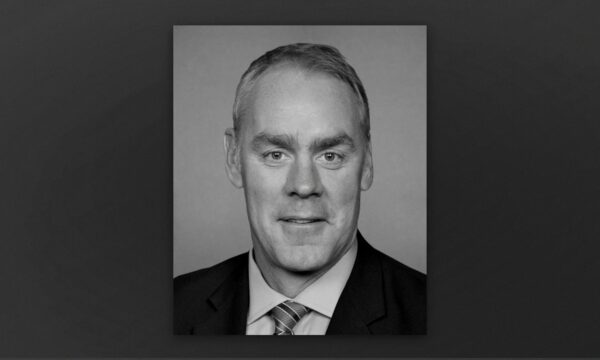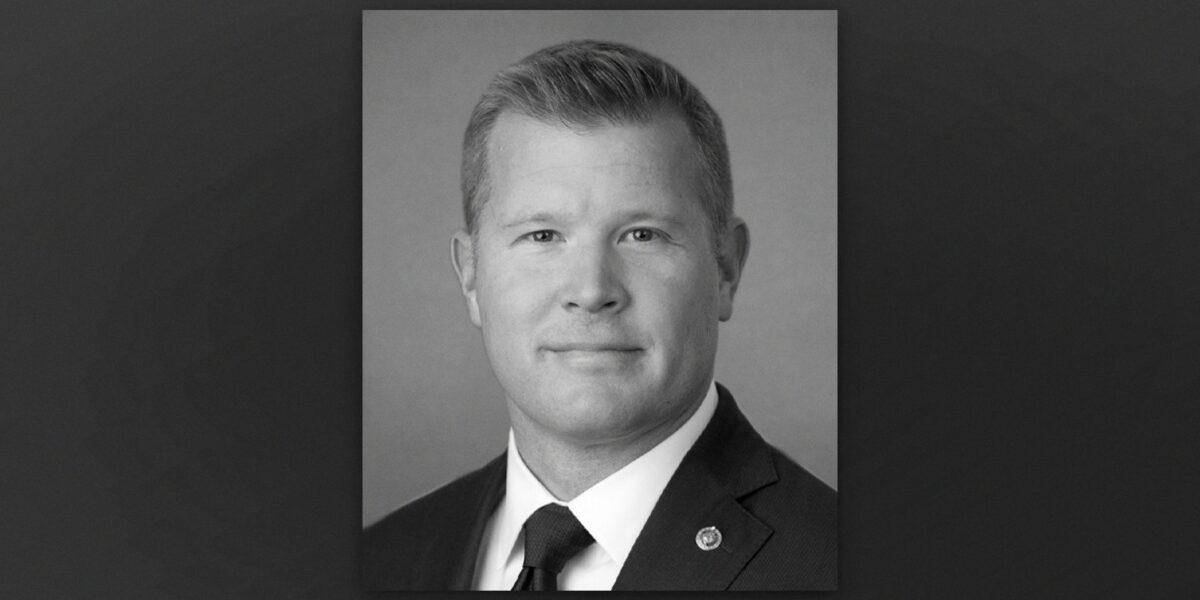
U.S. Sen. Tim Sheehy, a Montana Republican, has teamed up with California Democratic Sen. Adam Schiff on legislation that would tighten domestic purchasing requirements for federal food programs serving children and adults in schools and care facilities.
What the Bill Would Do
The measure would require schools and participating institutions to obtain a federal waiver from the U.S. Department of Agriculture before buying food products not grown or produced in the United States. The USDA would oversee and administer that waiver process.
Current law already encourages schools participating in the National School Lunch Program to purchase from American producers to the greatest extent possible, but the new bill would extend formal buy-American requirements — backed by the waiver mechanism — to three additional programs: the Summer Food Service Program, the Child and Adult Care Food Program, and the Special Milk Program. It would also add new reporting requirements for participating institutions.
Context and Timing
The legislation arrives amid a broader national food-safety conversation. A Cyclospora infection outbreak affected parts of the United States during the summer of 2026, with federal officials and reporting from the Associated Press pointing to Mexico as a potential source.
The Farm Bureau Federation has expressed support for the bill, framing domestic sourcing as both a quality and a safety issue. Montana Farm Bureau Federation President Cyndi Johnson said, as reported by the Daily Montanan, “American farmers and ranchers raise the highest quality crops and livestock in the world.”
Sheehy has made agricultural interests a consistent focus since taking office, and the bipartisan framing of the bill — pairing a Montana Republican with a prominent California Democrat — reflects the broader coalition that domestic-sourcing measures can attract, particularly when food safety concerns are elevated.
“It doesn’t make sense for American schools to purchase imported food when the very best beef and agricultural products are produced right here at home, including in my home state of Montana,” Sheehy told the Daily Montanan.
What Comes Next
The bill now moves through the Senate, where it would need committee consideration before any floor action. No timeline for a hearing or markup has been announced. Companion legislation in the House, if introduced, would need to advance separately before the measure could reach President Trump’s desk.
For Montana producers, particularly cattle ranchers, expanded domestic purchasing mandates in federal nutrition programs represent a meaningful potential market. Montana regularly ranks among the top beef-producing states, and any federal rule directing school procurement toward domestic sources would likely benefit the state’s agricultural sector directly.