The Trump administration announced a plan Tuesday to transfer grizzly bear management authority to Montana, Wyoming, and Idaho while preserving the species’ endangered status under federal law. Interior Secretary Doug Burgess and the governors of the three states unveiled the proposal at a press conference north of Yellowstone National Park, marking a significant shift in how the iconic predators will be regulated across the northern Rockies.
Under the new approach, grizzlies will remain listed as a threatened species under the Endangered Species Act, but states will gain expanded management powers through an amendment to the law’s section 4(d). This framework allows federal protections to remain in place while delegating day-to-day conservation decisions to state wildlife agencies.
A Long Road to Devolution
Grizzly bears have been under federal protection for more than 50 years. The U.S. Fish and Wildlife Service listed them as threatened in 1975, when fewer than 600 existed south of the Canadian border. Today, two major population clusters—one centered on Yellowstone National Park and another near Glacier National Park—each number approximately 1,000 bears, representing what many conservation officials describe as a recovery success.
The federal government has twice attempted to remove grizzlies from the endangered species list entirely. Delisting efforts in 2007 and 2017 both were overturned in court, leaving the bears under full federal protection. In January 2025, the Fish and Wildlife Service denied petitions from Montana, Wyoming, and Idaho to strip away that protection, prompting the states to pursue an alternative strategy.
The new 4(d) rule sidesteps the delisting debate by keeping grizzlies on the threatened list while giving states management authority. The specific language of the rule has not yet been published, leaving some details of the arrangement unclear.
Montana’s Position and Restrictions
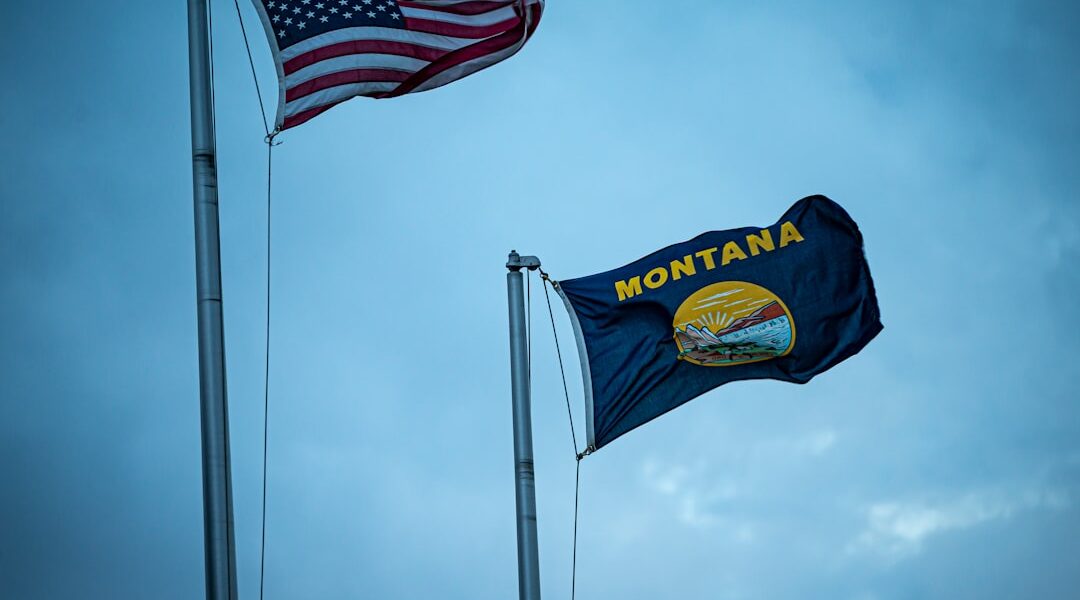
Montana Governor Greg Gianforte, who appeared at the announcement, emphasized the conservation dimensions of grizzly recovery. “The grizzly bear recovery story is one of America’s greatest conservation successes,” he said.
Montana has imposed its own constraint on state management: a five-year moratorium on grizzly hunting even if delisting were to occur. Gianforte stated that the new federal rule would not permit a hunt in Montana during that window, effectively extending protections regardless of the management shift.
Conservation Groups Voice Concerns
Environmental organizations have already signaled opposition to the change. Andrea Zaccardi, representing the Center for Biological Diversity, said the group was “disappointed the Trump administration is trying to make it easier to kill grizzly bears,” framing the devolution as a step toward eventual hunting authorization rather than adaptive management.
The debate reflects a broader tension in federal wildlife policy. Proponents of state management argue that grizzly populations have recovered sufficiently to permit careful hunting and that states have demonstrated competence in wildlife stewardship. Critics contend that returning authority to states—particularly those with economic interests in hunting—risks undermining protections.
What Comes Next
The formal rule is expected to be published in the coming weeks, at which point its full scope will become clear. State wildlife agencies in Montana, Wyoming, and Idaho will then begin preparing management plans under the new federal framework. The timing places the policy change ahead of Montana’s primary election on June 2 and general election on November 3, where wildlife and land management remain salient voter concerns.
The arrangement represents a middle path between the states’ push for full delisting and environmental groups’ resistance to any relaxation of protections, though whether it will satisfy either side remains to be seen.