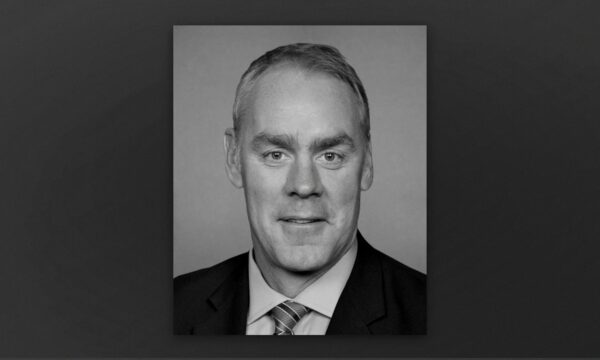
Rep. Ryan Zinke, the outgoing congressman from western Montana who is not seeking reelection, introduced legislation Wednesday that would add 132,000 acres of new wilderness while preserving forest lands for mechanized recreation, wildfire mitigation, and timber harvest, according to the Billings Gazette.
The bill, titled “A River Runs Through It,” merges two separate proposals that have been negotiated over two decades. One is the Blackfoot-Clearwater Stewardship Act, which former Sen. Jon Tester introduced four times without success. The other is the Lincoln Prosperity Proposal, developed by a coalition in the upper Blackfoot area.
What the Bill Would Do
The legislation would create a 24,000-acre Nevada Mountain Wilderness Area and add 100,000 acres to the existing Scapegoat and Bob Marshall Wildernesses. It would designate 90,000 acres of forest restoration areas prioritized for timber harvest and fire fuels reduction, and secure permanent snowmobile access to 50,000 acres while establishing 20 miles of new motorized recreation trails. The bill would also eliminate the Hoodoo Mountain and Wales Creek Wilderness Study Areas.
Zinke framed the measure as a compromise that reflects Montana values. “We want to climb the same mountain,” he told the Billings Gazette. “Maybe our paths are a little different in how to get there. But this is a made-in-Montana solution, which is so exciting.”
Jim Stone, representing one of the stakeholder groups, echoed that sentiment. “My goodness, we couldn’t have had a beer at Trixie’s 20 years ago. We would have been at odds,” Stone said, referencing how far the negotiations have come.
Timeline Challenges
Although Zinke introduced the bill Wednesday, it will not officially be processed until Congress reconvenes next week. With approximately 30 days remaining on the legislative calendar, the window for passage is narrow—a constraint that exists outside the biennial interruption for campaign season.
The bill represents Zinke’s final major legislative push before leaving office. As a center-right lawmaker, he has sought to balance conservation with resource management and recreation access, a positioning that has allowed the competing interests in the Blackfoot region to find common ground after two decades of separate efforts.