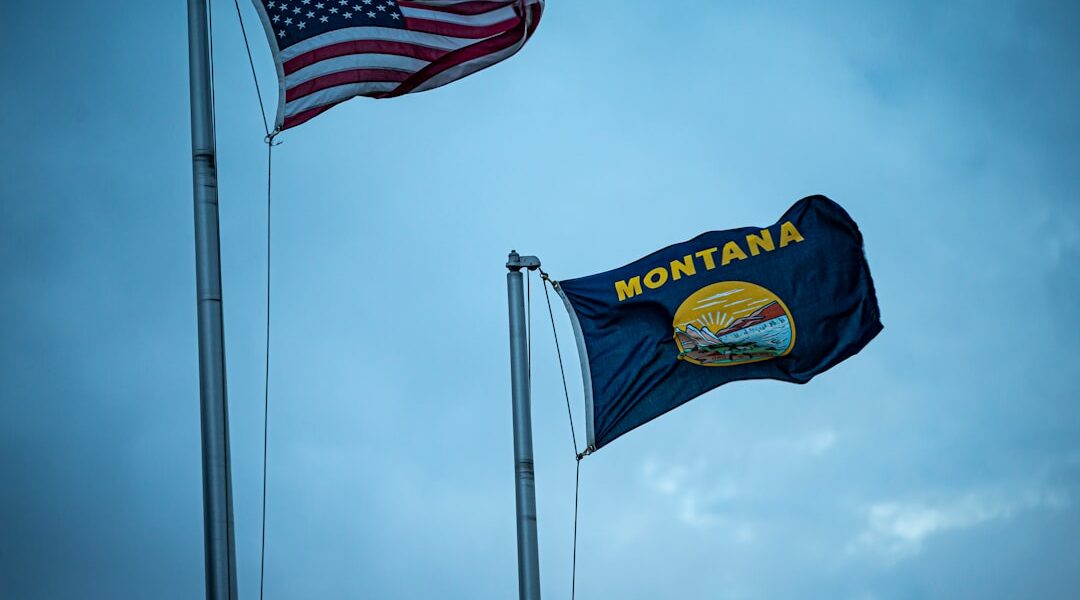
Montana U.S. Senate Race 2026: Primary Day Arrives With Kurt Alme as GOP Front-Runner
Montana voters head to the polls on June 2, 2026, to cast ballots in primary elections that will shape one of the most consequential U.S. Senate contests the state has seen in years — a race made dramatically more competitive by the late-breaking decision of incumbent Republican Sen. Steve Daines not to seek another term.
Daines Exit Reshapes the Republican Field
Daines’s announcement that he would not run for re-election came late enough to scramble the field but early enough to consolidate Republican support around a single preferred successor. Kurt Alme, who serves as the U.S. Attorney for Montana, quickly emerged as the dominant GOP contender. Daines publicly backed Alme, and President Donald Trump added his own endorsement, giving Alme significant institutional and national momentum heading into primary day.
Two other Republicans are also on the ballot: Charles Walking Child and Lee Calhoun. Neither has attracted the same level of high-profile support as Alme, and with both Daines and Trump aligned behind the U.S. attorney, the Republican nomination contest appears to be Alme’s to lose.
Democrats and an Independent Enter the Mix
On the Democratic side, former state legislator Reilly Neill is among the more prominent candidates seeking the nomination. Neill enters a difficult political environment: Montana last sent a Democrat to statewide office when Jon Tester held the Senate seat, and Tester himself lost his re-election campaign in 2024, underscoring the challenge facing any Democrat running statewide in Montana.
Perhaps the most unusual element of the general election landscape is the presence of Seth Bodnar, the former president of the University of Montana, who is running outside the two-party structure as an independent. Bodnar’s candidacy adds a wild-card dimension to a race that national observers are already watching closely.
What the Race Means for Montana and Washington
Montana’s open Senate seat represents a genuine opportunity for both parties. Republicans are defending a seat they had held comfortably under Daines, and with Trump’s endorsement reinforcing Alme’s profile, the GOP is positioned to keep the race on favorable terrain. Democrats, meanwhile, are hoping that an open seat — rather than a race against an incumbent — combined with the right candidate or independent candidacy could shift the odds.
The state’s political trajectory has moved steadily rightward in recent election cycles. In addition to Tester’s 2024 defeat, Republicans have held the governorship and dominated the state legislature. That environment makes any Democratic path to the Senate seat narrow, though an independent candidate like Bodnar could complicate the calculus for both major parties in a general election.
Looking Ahead to the General Election
With primaries concluding June 2, the general election field will take shape quickly. Alme is widely expected to secure the Republican nomination, setting up what is likely to be a competitive fall race regardless of who emerges from the Democratic primary. Bodnar’s independent campaign will be a factor to watch as polling develops through the summer and into the fall.
The Montana Senate contest is one of several competitive races nationally that will determine control of the upper chamber. The general election is scheduled for November 3, 2026, giving candidates roughly five months to make their case to voters across a geographically expansive state where retail politics and ground-level organization have traditionally mattered as much as air wars.
No public polling averages with sufficient data were available as of primary day to project general election margins, leaving the outcome genuinely uncertain heading into the fall campaign season.