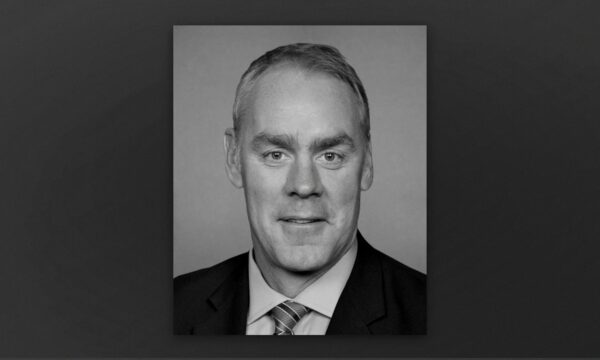
Montana Sen. Tim Sheehy joined California Democrat Alex Padilla on Thursday to introduce legislation that would extend hazard pay to wildland firefighters and smokejumpers during prescribed burns and training operations, not just active wildfire response.
What the Bill Would Do
The Wildland Firefighter Hazard Pay Correction Act targets a gap in current federal compensation rules: under existing law, wildland firefighters qualify for hazard pay only when directly fighting active wildfires. The Sheehy-Padilla bill would expand that eligibility to cover prescribed burn operations and smokejump training exercises.
Advocates for wildland firefighters have long argued that prescribed burns and training jumps carry significant physical risk comparable to active fire response. The bill would treat those duties as equally dangerous for compensation purposes.
A companion measure was introduced in the House by Rep. Celeste Maloy of Utah, giving the effort bicameral support.
Context and Political Dynamics
The bipartisan sponsorship is notable. Sheehy, a Republican freshman who won Montana’s Senate seat in 2024, built part of his campaign identity around his background as a wildfire aviation entrepreneur and his service on fire crews in Montana. Pairing with a California Democrat on wildfire workforce issues reflects the cross-aisle appeal of wildland firefighter pay — a cause that has drawn support from members representing fire-prone Western states regardless of party affiliation.
Montana routinely ranks among the states with the largest annual wildfire footprint, and the state’s smokejumper base in Missoula is one of the oldest and most prominent in the country. Federal firefighting workforce issues are therefore acutely felt by Montana communities each summer.
Congress has taken incremental steps on federal wildland firefighter pay in recent years, including temporary pay increases under prior appropriations legislation, but permanent structural fixes have moved slowly. Proponents of expanding hazard pay argue that closing the prescribed-burn gap would also support broader federal fire management goals: prescribed burns are considered a key tool for reducing fuel loads and limiting the intensity of future wildfires, but recruiting and retaining trained crews is complicated when that work comes with lower compensation than active suppression.
What’s Next
The bill was introduced June 18 and now awaits committee referral in both chambers. No markup schedule has been announced. Companion legislation in the House from Rep. Maloy improves the measure’s prospects for moving through both chambers, though the timeline for floor action remains uncertain given the congressional calendar.
Sheehy faces a reelection cycle in 2030, but his work on wildfire workforce issues is consistent with the policy positioning he established during his 2024 campaign against incumbent Sen. Jon Tester. For a state where wildfire season is a defining summer reality, the bill gives Sheehy a concrete legislative item to point to on an issue with broad constituent relevance.
The legislation also fits into a wider conversation about federal land management and energy policy in the West. Gov. Greg Gianforte has separately been pressing Montana’s energy and resource advantages on the international stage, and federal wildfire policy intersects closely with public lands management priorities that Montana Republicans have consistently prioritized in Washington.
Whether the Wildland Firefighter Hazard Pay Correction Act advances through the current congressional session remains to be seen, but its bipartisan, bicameral introduction gives it a stronger foundation than many single-party measures in a divided legislative environment.