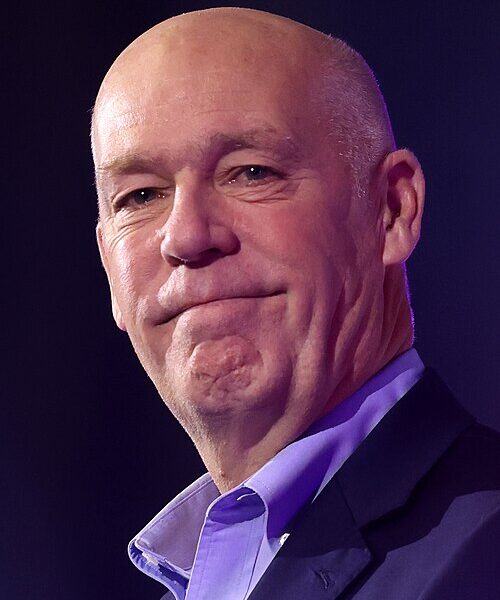
Governor Greg Gianforte launched an application process Tuesday to fill the Public Service Commission seat vacated by Brad Molnar’s one-year suspension, establishing a replacement mechanism that did not previously exist within state law.
Molnar, a PSC commissioner, was suspended by the governor on July 10. The Public Service Commission confirmed it was following the governor’s directive in opening the appointment window, noting that “there is no existing replacement mechanism in place” for handling mid-term vacancies on the three-member body.
The application method mirrors Gianforte’s approach to filling district court judgeships, which relies on competitive application and interview rather than statute-prescribed succession rules. The commission did not specify a timeline for accepting applications or announcing a new commissioner.
Molnar has filed suit to block the installation of a successor, according to available reports. The legal challenge adds uncertainty to the timeline and raises questions about the governor’s authority to unilaterally establish an appointment process for an elected body.
The PSC regulates Montana’s utilities, telecommunications, and transportation industries. The three-member commission is elected statewide, and commissioners serve six-year terms. The suspension and replacement process represent an unusual exercise of executive power over what is nominally an independent agency.
Details on the grounds for Molnar’s suspension have not been fully disclosed. The governor’s office has not released a public statement explaining the cause or the rationale for the application-based replacement method rather than pursuing legislative remedies or other procedural options during the interim period before the 2027 legislative session.
Gianforte’s decision to create an ad hoc appointment process underscores a broader tension over executive authority and agency independence that has periodically surfaced in Montana politics. It also comes as the governor faces ongoing litigation related to other recent actions, including a court ruling that scaled back—but did not fully eliminate—restrictions on Republican Party bylaws.
The outcome of Molnar’s lawsuit and the governor’s ultimate appointment will likely have implications for how future mid-term vacancies on statewide commissions are handled in the absence of clear statutory guidance.