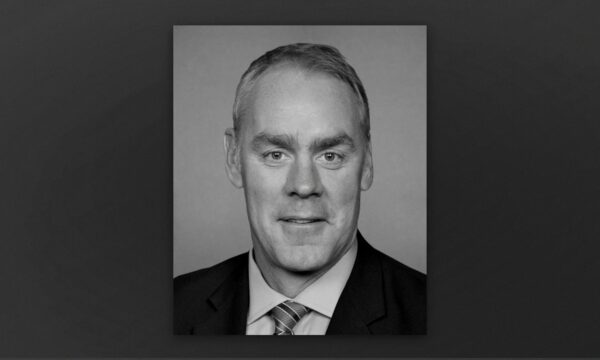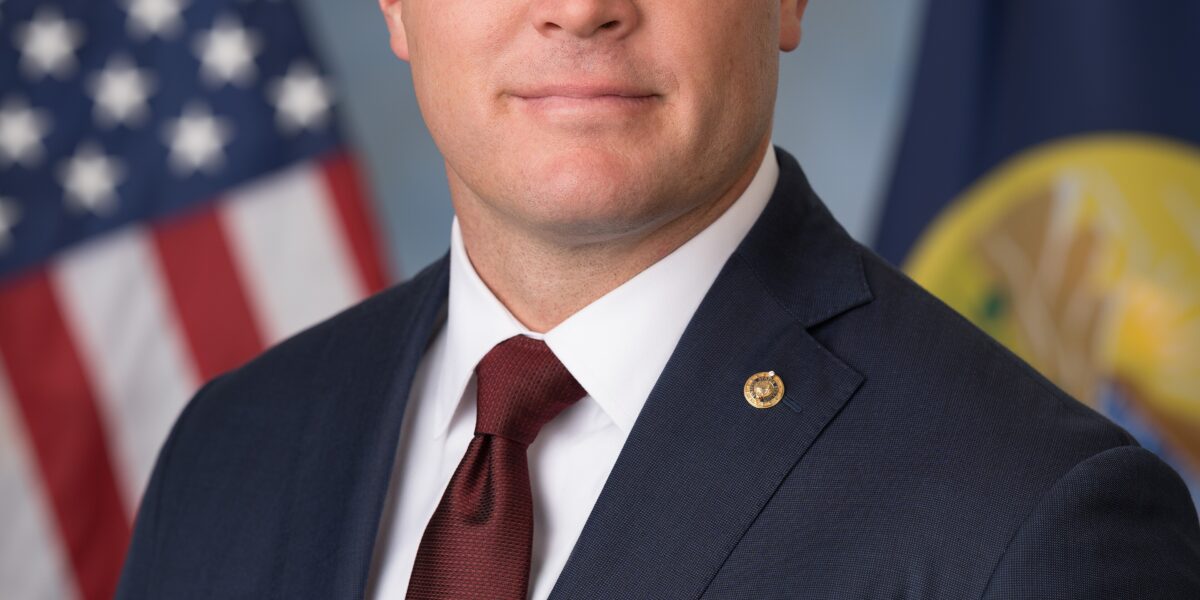
Montana Republican Sen. Tim Sheehy and California Democratic Sen. Alex Padilla introduced legislation this month that would expand hazard pay eligibility for wildland firefighters to cover prescribed burns and training jumps — two high-risk activities that currently receive no such compensation under federal law.
The Gap in Current Pay
Under existing federal policy, wildland firefighters qualify for hazard pay only when fighting active fires. Prescribed burns — intentional, controlled burns used to reduce accumulated fuel loads and lower the risk of larger fires — fall outside that definition, as do the training jumps that smokejumpers must complete regularly to maintain parachuting proficiency. The Sheehy-Padilla bill would close both gaps.
The legislation arrives as the 2026 fire season gets underway across the West, with federal wildland fire management still adjusting to structural changes made last year. Montana fire officials have been adapting to the newly established U.S. Wildland Fire Service, which Sheehy and Padilla also partnered to create through legislation passed in the previous Congress.
Sheehy’s Case for the Change
Sheehy, who founded Bridger Aerospace — an aviation company active in aerial wildfire operations — has made wildfire response a signature issue since taking office. He argued the pay disparity undervalues the genuine dangers firefighters face outside of active suppression work.
“Our wildland firefighters and smokejumpers face incredible risks to defend our communities, and for too long, they have done so without fair compensation,” Sheehy said.
The senator has also aligned closely with the Trump administration’s push to expand aerial firefighting capacity. That broader effort has elevated the policy profile of wildland firefighter compensation and workforce retention as linked priorities at the federal level.
Industry Groups Back the Measure
Several organizations representing aerial and ground firefighting interests have voiced support for the bill, including Megafire Action, the United Aerial Firefighting Association, and the Western Fire Chiefs Association.
Paul Petersen, executive director of the United Aerial Firefighting Association, emphasized that smokejumper training is far from routine administrative work. “The bill’s extension of hazard pay to smokejumper training jumps is equally important. Maintaining parachute proficiency is not an administrative exercise; it is operational readiness, and it carries real risk,” Petersen said.
Prescribed burns, meanwhile, present their own hazards — fire behavior can shift unexpectedly, and the personnel conducting them face conditions similar in many respects to active suppression work. Proponents argue that compensating the activity only when a fire is uncontrolled creates a perverse incentive structure and fails to reflect the actual danger firefighters accept during planned burns.
Bipartisan Framing, Practical Stakes
The Sheehy-Padilla partnership is notable for bridging the political divide on an issue — federal wildfire policy — that often produces partisan friction. Their prior collaboration on establishing the U.S. Wildland Fire Service demonstrated that both senators see workforce and compensation reform as separable from the broader ideological debates over land management and environmental regulation.
For Montana specifically, the stakes are concrete. The state faces significant wildfire risk each summer, and federal firefighting crews based in or responding to Montana regularly conduct prescribed burns on national forest and public lands throughout the year. Retention of experienced smokejumpers and ground crews depends in part on whether federal compensation keeps pace with the risks those workers actually bear.
The legislation also arrives in a broader context of federal disaster response and business disruption across the region. The U.S. Small Business Administration recently opened disaster loan applications for businesses in Yellowstone, Big Horn, and Carbon counties — a reminder of the downstream economic costs that large fire events impose on Montana communities.
What Comes Next
The bill was introduced this month and will need to advance through the Senate before any companion process in the House. No vote timeline has been announced. With fire season intensifying through July and August, supporters are likely to press for movement before the window closes and congressional attention shifts toward the fall election calendar. Sheehy faces no immediate electoral pressure — his seat is not on the 2026 ballot — but the issue carries weight in a state where wildfire is an annual reality.